AI Detector The Tool Reshaping How We Verify Digital Content

Quote from johnwood on July 20, 2026, 3:12 amPicture this: you receive an essay, an article, or an email, and you genuinely can't tell whether a person wrote it or a machine did. A few years ago, this scenario belonged in science fiction. Today, it's simply part of daily life online. The explosion of tools like ChatGPT, Gemini, and Claude has flooded the internet with machine-generated text, and with it comes an urgent new need: figuring out what content is truly human and what isn't. That's where the AI detector comes in — a technology promising to bring back some clarity to an increasingly blurred digital landscape.
What Is an AI Detector?
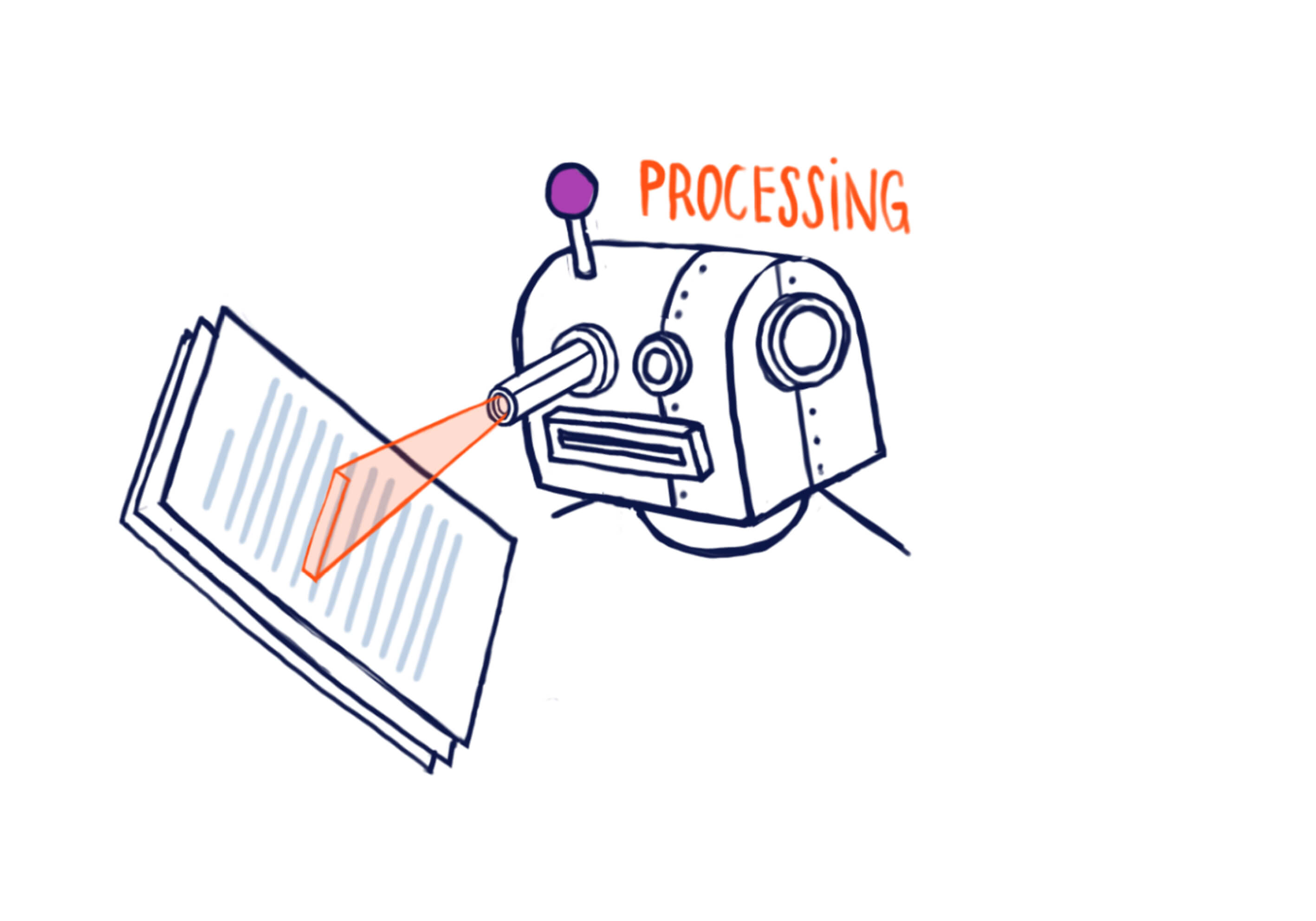
An AI detector is a system that analyzes a piece of text and estimates the likelihood that it was generated by a language model rather than written by a person. It isn't an exact science — it's a statistical and linguistic analysis that looks for patterns typical of automated writing: repetitive sentence structures, unusually uniform pacing, predictable word choices, and an almost total absence of the natural irregularities that come with human thought.
How Does It Actually Work?
Behind every detector sits a model trained on millions of examples of both human-written and AI-generated text. These systems compare metrics like "perplexity" (how predictable a sequence of words is) and "burstiness" (the natural variation in sentence length and complexity). Human writing tends to be irregular — it shifts rhythm, includes small imperfections, and takes unexpected turns. AI writing, even when polished, tends to be flatter and more consistent throughout.
Why Has This Become So Important?
Education and Academia
Teachers and universities face a constant dilemma: how do you evaluate a student's original work when AI can draft a full essay in seconds? AI detectors have become an ally in preserving academic integrity, though they also spark real debate — false positives can unfairly accuse honest students, adding pressure to an already stressful environment.
Marketing and Content Production
Brands and publishers increasingly rely on these tools too. Search engines reward original, genuinely useful content, and companies want their material to feel authentic — not just for SEO, but because readers connect more with a real, human voice than a generic one.
Trust in Journalism and Information
In a world already saturated with misinformation, knowing whether a news piece or analysis was written by someone with real editorial judgment — or generated by an algorithm with no true context — matters more than ever for media credibility.
The Limitations Nobody Should Ignore
No AI detector is perfect. False positives — flagging genuinely human writing as AI-generated — and false negatives — missing AI content that's been lightly edited or "humanized" — are real, persistent problems. This is a moving target: as detectors improve, so do the tools designed to slip past them.
Where isgen.ai Fits Into This New Landscape
Platforms like isgen.ai aim to strike a better balance in this equation, offering tools that analyze and verify the nature of a text with greater precision — helping educators and content creators alike make informed decisions instead of relying on a single, isolated signal.
Final Thoughts
The AI detector isn't a perfect solution, but it is a crucial piece of a much larger conversation about digital authenticity. As the line between human and artificial writing keeps blurring, these tools remind us of something essential: writing, at its most honest, is still a reflection of human experience — and that's worth protecting.
Picture this: you receive an essay, an article, or an email, and you genuinely can't tell whether a person wrote it or a machine did. A few years ago, this scenario belonged in science fiction. Today, it's simply part of daily life online. The explosion of tools like ChatGPT, Gemini, and Claude has flooded the internet with machine-generated text, and with it comes an urgent new need: figuring out what content is truly human and what isn't. That's where the AI detector comes in — a technology promising to bring back some clarity to an increasingly blurred digital landscape.
What Is an AI Detector?
An AI detector is a system that analyzes a piece of text and estimates the likelihood that it was generated by a language model rather than written by a person. It isn't an exact science — it's a statistical and linguistic analysis that looks for patterns typical of automated writing: repetitive sentence structures, unusually uniform pacing, predictable word choices, and an almost total absence of the natural irregularities that come with human thought.
How Does It Actually Work?
Behind every detector sits a model trained on millions of examples of both human-written and AI-generated text. These systems compare metrics like "perplexity" (how predictable a sequence of words is) and "burstiness" (the natural variation in sentence length and complexity). Human writing tends to be irregular — it shifts rhythm, includes small imperfections, and takes unexpected turns. AI writing, even when polished, tends to be flatter and more consistent throughout.
Why Has This Become So Important?
Education and Academia
Teachers and universities face a constant dilemma: how do you evaluate a student's original work when AI can draft a full essay in seconds? AI detectors have become an ally in preserving academic integrity, though they also spark real debate — false positives can unfairly accuse honest students, adding pressure to an already stressful environment.
Marketing and Content Production
Brands and publishers increasingly rely on these tools too. Search engines reward original, genuinely useful content, and companies want their material to feel authentic — not just for SEO, but because readers connect more with a real, human voice than a generic one.
Trust in Journalism and Information
In a world already saturated with misinformation, knowing whether a news piece or analysis was written by someone with real editorial judgment — or generated by an algorithm with no true context — matters more than ever for media credibility.
The Limitations Nobody Should Ignore
No AI detector is perfect. False positives — flagging genuinely human writing as AI-generated — and false negatives — missing AI content that's been lightly edited or "humanized" — are real, persistent problems. This is a moving target: as detectors improve, so do the tools designed to slip past them.
Where isgen.ai Fits Into This New Landscape
Platforms like isgen.ai aim to strike a better balance in this equation, offering tools that analyze and verify the nature of a text with greater precision — helping educators and content creators alike make informed decisions instead of relying on a single, isolated signal.
Final Thoughts
The AI detector isn't a perfect solution, but it is a crucial piece of a much larger conversation about digital authenticity. As the line between human and artificial writing keeps blurring, these tools remind us of something essential: writing, at its most honest, is still a reflection of human experience — and that's worth protecting.
Uploaded files: